
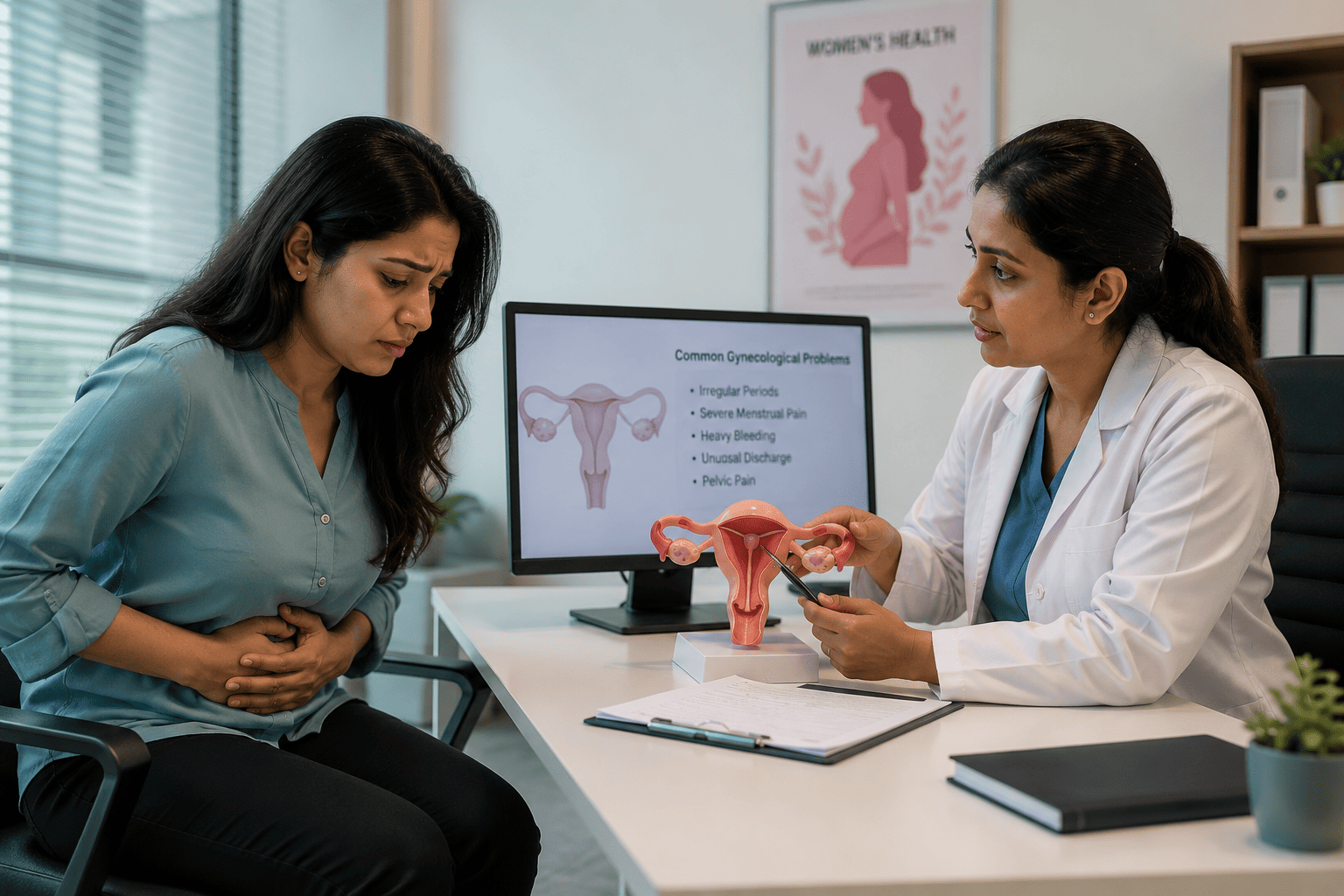
Most women put their health last. Work, family, and daily life come first. But your body sends signals. Some signals cannot wait.
Knowing when to see a gynecologist can save your life. It can also prevent bigger problems later. This guide will help you understand the signs. Do not ignore them.
Why Women Delay Gynecologist Visits
Many women feel nervous about visiting a gynecologist. Some feel embarrassed. Others think symptoms will go away on their own. Some simply do not know what is normal.
But delays can be dangerous. Small issues can become serious conditions. Early detection almost always leads to better treatment. Your health deserves priority.
Signs You Need to See a Gynecologist
Here are the most important warning signs. If you experience any of these, book an appointment soon.
1. Irregular or Missed Periods
Your period tells you a lot. It reflects your hormonal health. A missed period is not always a sign of pregnancy. It can signal something else entirely.
See a doctor if:
- Periods suddenly become very irregular
- You skip two or more cycles
- Bleeding is much heavier than usual
- Periods last longer than seven days
- Spotting happens between periods
These changes can point to PCOS, thyroid issues, fibroids, or hormonal imbalance. A gynecologist will quickly find the cause.
2. Pelvic Pain That Will Not Go Away
Mild cramps during periods are normal. But constant or severe pelvic pain is not. This is one of the clearest signs you need to see a gynecologist.
Pelvic pain gynecologist visits are important when:
- Pain is sharp or stabbing in nature
- It occurs outside of your period
- Pain worsens during intercourse
- You feel pressure in the lower abdomen
- Pain comes with fever or nausea
Persistent pelvic pain can indicate endometriosis, ovarian cysts, fibroids, or pelvic inflammatory disease. This is why you need a pelvic pain gynecologist visit.
Do not dismiss pelvic pain as “just cramps.” Your body is telling you something.
3. Abnormal Vaginal Discharge
Some vaginal discharge is perfectly normal. For instance, clear or white vaginal discharge without any smell is quite healthy. However, some other factors should raise red flags.
Visit your gynecologist in case you have:
- Yellow, green, or grey discharge
- Thick discharge that resembles cottage cheese
- Strong or foul-smelling discharge
- Itching or burning sensation in connection with the discharge
- Discharge stained with blood (outside menstruation)
All these characteristics may be symptoms of various types of infections.
4. Pain or Bleeding During or After Sex
Sex should not be painful. It should not cause bleeding either. If it does, something needs attention.
Painful intercourse is medically called dyspareunia. It is more common than many women realize. But it is not something you should simply tolerate.
Causes can include vaginal dryness, infections, endometriosis, fibroids, or cervical issues. A gynecologist can identify the root cause. Treatment options are available.
Bleeding after sex should never be ignored. It can sometimes be an early sign of cervical cancer. Get checked promptly.
5. Lumps or Changes in the Breast
Gynecologists do not just treat the reproductive system. Breast health is also part of their care.
See a doctor immediately if you find:
- A new lump or thickening in the breast
- Nipple discharge without breastfeeding
- Skin dimpling or puckering on the breast
- Redness or swelling in the breast area
- A lump in the armpit
Monthly self-examinations are helpful. But a professional examination is more thorough. Do not wait to see if a lump disappears on its own.
6. Frequent Urinary Issues
Bladder problems are often related to gynecological health. Many women ignore these symptoms for too long.
Visit a gynecologist if you have:
- Burning pain during urination
- Frequent need to urinate but passing only a small amount
- Involuntary leakage of urine when you sneeze or laugh
- Presence of blood in your urine
- History of repeated urinary tract infections
Urinary incontinence can be common. However, that does not mean you have to accept it.
7. Severe PMS or Mood Symptoms
Premenstrual syndrome affects many women. But severe PMS is different. It can significantly disrupt your daily life.
Symptoms to look out for:
- Extremely high or low moods before the menstrual cycle
- Depression or anxiety during the menstrual period
- Tears without any cause
- Uncontrollable rage or irritability
- Physical symptoms such as bloating and migraines
This could be PMDD (Premenstrual Dysphoric Disorder). It is a real medical condition. It responds well to treatment. You do not need to suffer every month.
8. Symptoms of Menopause Before Age 40
Menopause is a situation that can hit you between 45 and 55. But some women experience it earlier. This is called premature ovarian insufficiency.
Look out for these symptoms:
- Hot flushes and night sweats
- Vaginal dryness and irritation
- Emotional instability and insomnia
- Irregular menstrual cycles under the age of 40
- Inability to conceive
Premature menopause impacts your bones and heart. Hormone therapy might be necessary. Visit an expert as soon as possible.
9. Difficulty Getting Pregnant
Difficulty conceiving after one year is considered medically significant. Women over 35 should be concerned after 6 months.
A gynecologist can assess:
- Ovarian function and hormone levels
- Uterus and ovary function
- Fallopian tube function
- Fertility issues with the male partner
Infertility does not necessarily have to be permanent. Some causes can be treated effectively.
10. Swelling, Sores, or Rashes in the Genital Area
Any unusual physical change in the genital area needs checking. Do not feel embarrassed. Your doctor has seen it all before.
Seek care immediately for:
- Painful sores or blisters
- Unexplained rashes or skin changes
- Swollen lymph nodes in the groin
- Persistent itching or burning
These can be signs of sexually transmitted infections or skin conditions. Both are treatable. But only if you go in.
How Often Should a Woman See a Gynecologist?
This is one of the most common questions women ask.
Here is a simple guideline:
- Ages 13–21: First visit between ages 13 and 15. Annual check-ups are recommended once sexually active.
- Ages 21–29: Pap smear every three years. Annual wellness visits are ideal.
- Ages 30–65: Pap smear plus HPV test every five years. Or Pap smear alone every three years.
- Above 65: Based on your doctor’s recommendation and health history.
Pregnancy and specific health concerns require more frequent visits. Even if everything feels fine, do not skip routine check-ups. Many conditions have no early symptoms. Only a clinical examination can catch them.
Do Not Wait for Pain to Become Unbearable
Women are conditioned to push through pain. To minimize symptoms. To put everyone else first.
But your health matters. Ignoring signs costs more in the long run. It costs more in pain, treatment, and worry.
If something feels off, trust that feeling. Your instincts are usually right. A quick consultation can give you peace of mind. Or catch something early enough to treat easily.
Compassionate Women’s Care in Bangalore
At SK Women’s Clinic, every woman is treated with dignity and care. No concern is too small. No question is too embarrassing. Whether you need a routine check-up or urgent consultation, the team is ready to help. Women’s health is taken seriously here. Every visit is handled with warmth and professionalism.
If you are looking for an experienced gynecology doctor in Bangalore, SK Women’s Clinic provides expert, personalized care for women at every stage of life.
Your health cannot wait. Book your appointment today.